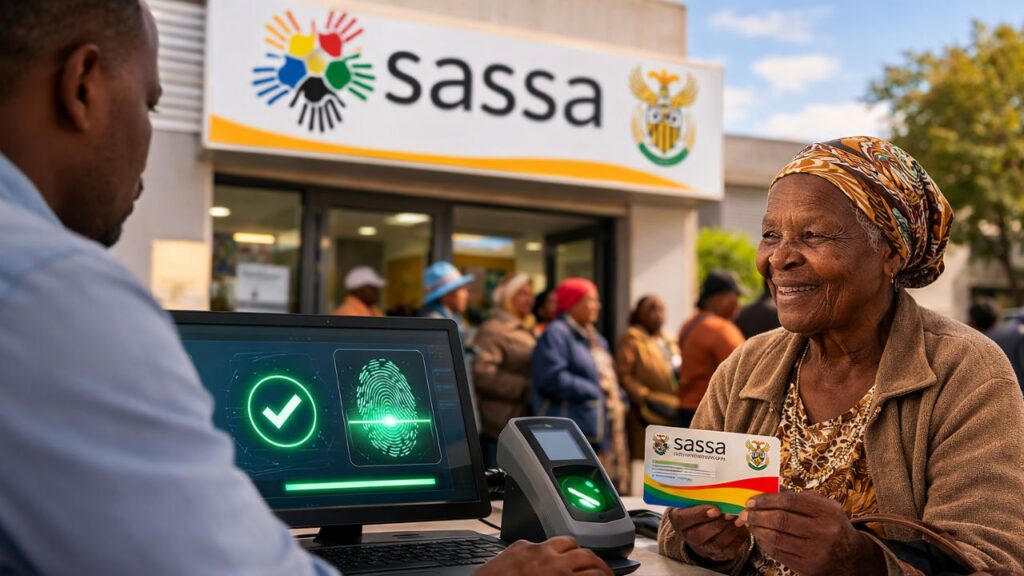
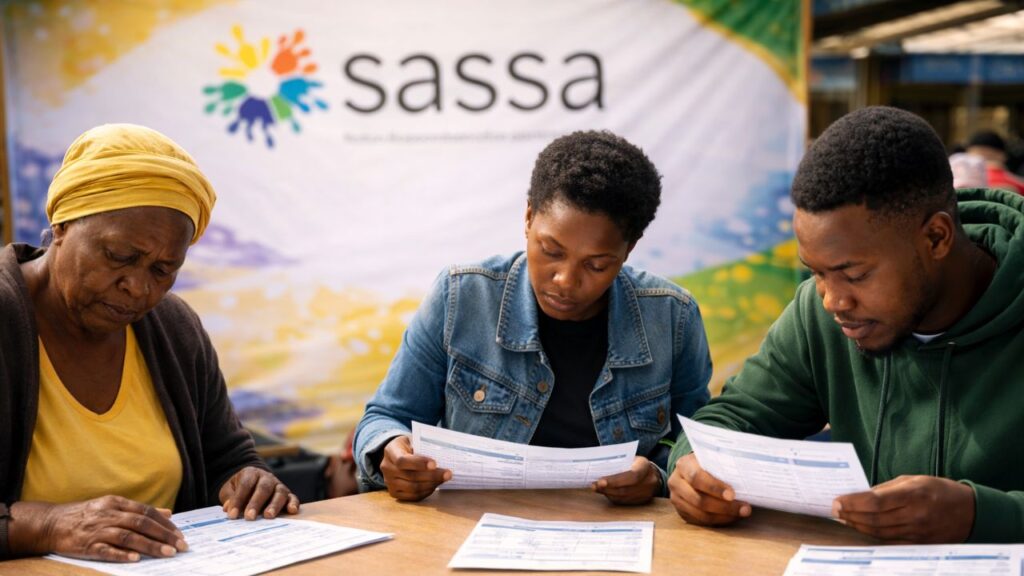
The social support system in South Africa is undergoing a significant change as the government prioritises justice and openness. Ahead of the March 2026 deadline, the South African Social Security Agency (SASSA) has started a more stringent verification campaign, urging recipients to maintain accurate and current financial records. The goal is prevent misuse while ensuring that grants only go to those who truly qualify. Understanding the new compliance checks and reporting requirements has become crucial for thousands of South African households in order to prevent delays suspensions, or unanticipated repayment notices.
Verifications of SASSA compliance with unreported income
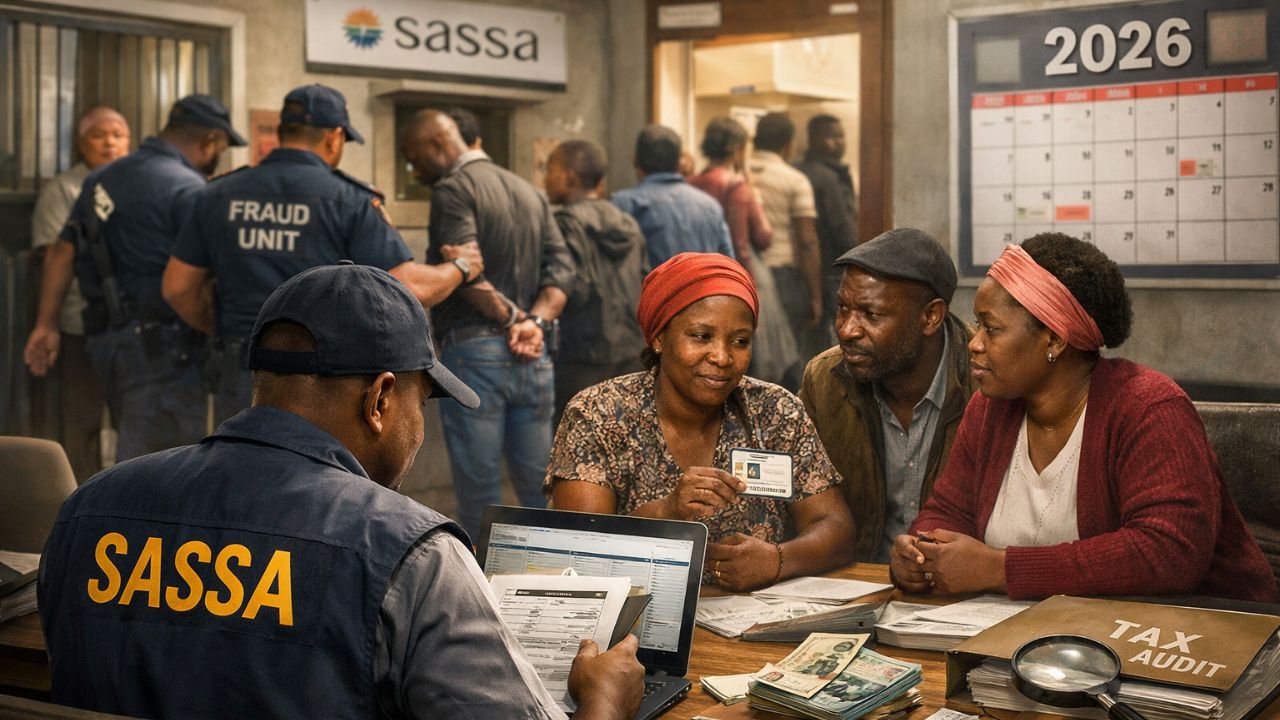
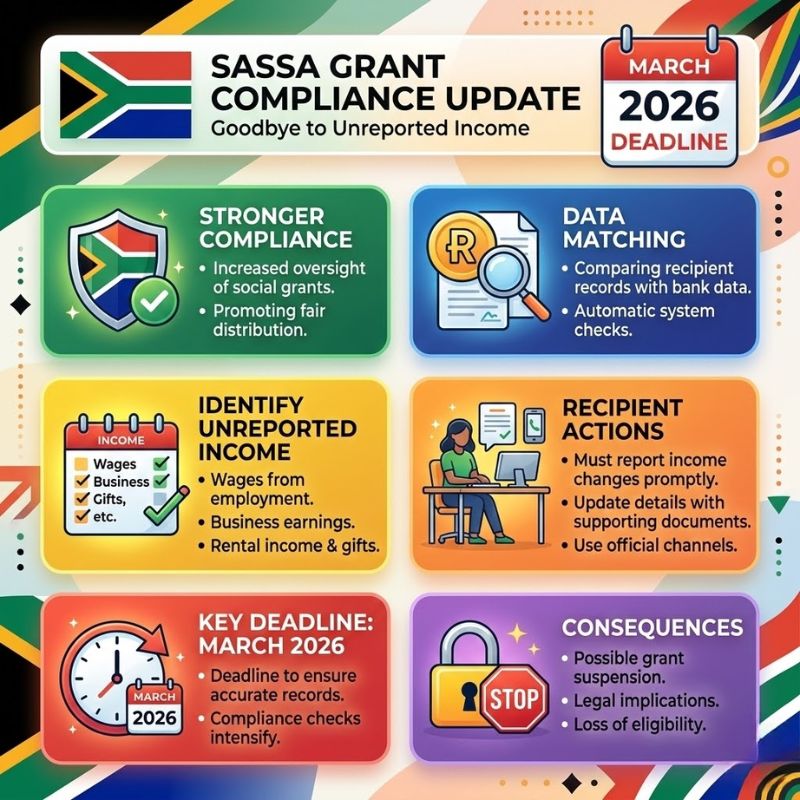
Using enhanced data sharing systems with banks and government agencies, the agency is currently actively reviewing beneficiary information. Because even tiny amounts that are not disclosed could result in a review officials want applicants to be truthful about their earnings. Authorities verify income, compare bank statements, examine grant records, and perform beneficiary reviews during this process. Recipients may be required to upload documents online or visit local offices if disparities are found. This action is intended to safeguard scarce public funds and maintain equity rather than to punish early. Early cooperation by beneficiaries typically prevents major problems, but disregarding notices may result in payment interruptions or a temporary suspension of aid.

Before 2026, new SASSA grant reporting guidelines
Beneficiaries must update their financial and personal information before the March 2026 deadline if their circumstances change. The organization anticipates disclosure via the official portal or a local office, regardless of whether a person begins part time employment or receives private assistance. A financial declaration frequent status updates, accurate identity verification, and unambiguous proof of residency are now required by authorities. By taking these steps, fraudulent claims are decreased and the welfare systems credibility is preserved. Although reporting changes frequently results in reassessment rather than cancellation, many recipients fear losing their benefits. Most of the time, legitimate recipients continue to receive their support uninterrupted, with adjustments only applied to those who exceed income thresholds.
Verification of SASSA grant eligibility and penalties
SASSA may take follow up measures, such as warnings or repayment obligations when unreported income is found. The agency may request repayment plans initiate a fraud investigation, issue a compliance notice or temporarily halt payments. Officials emphasise that intentional misreporting is the primary target of penalties. People who make quick corrections tend to have more seamless resolutions. The verification process is a component of a larger strategy to increase accountability while safeguarding citizens who are at risk. Beneficiaries can preserve eligibility and prevent needless stress during the review period by providing accurate information and prompt responses.
The significance of the SASSA deadline in March 2026
The impending deadline is more about enhancing system reliability than it is about eliminating support. A transparent welfare system that allocates funds to the most worthy households is what the authorities want. The procedure guarantees the safety of public funds, fosters long term sustainability, and encourages accurate reporting practices. Beneficiaries typically have no problems if they check their information early, submit paperwork, and maintain open lines of communication. Practically speaking, the review serves as a reminder that social grants are a shared national responsibility and that citizen collaboration with the organization contributes to the upkeep of a reliable and stable aid program.
See also SASSA Bonus Grant Changes In 2026 Explained New dates, updated amounts, and verification guidelines

| Requirement | Action Required | Who Must Take It | Potential Outcome |
|---|---|---|---|
| Change in Income | Report New Earnings | Reevaluation of the grant | bank for all beneficiaries |
| Update Your Account | Send in your banking information | Recipients of payments | Constant payments |
| Verification of Identity | Give documents | Selected candidates | Steer clear of suspension |
| Unreported Earnings | React to the notice | Cases flagged | Potential repayment |
| Annual Evaluation | Verify your eligibility | Long term beneficiaries | of the grant extension |
FAQ:
1. What occurs if income is not disclosed?
Your grant might be suspended, and you might be required to provide an explanation or return any extra money.
2. Is verification required for every beneficiary?
No, only specific cases are examined, but everyone is required to maintain current information.
3. Can grants that have been suspended be reinstated?
Yes, after the right paperwork has been submitted and eligibility has been verified.
4. What is the deadline for compliance?
March 2026 is the current deadline for compliance.