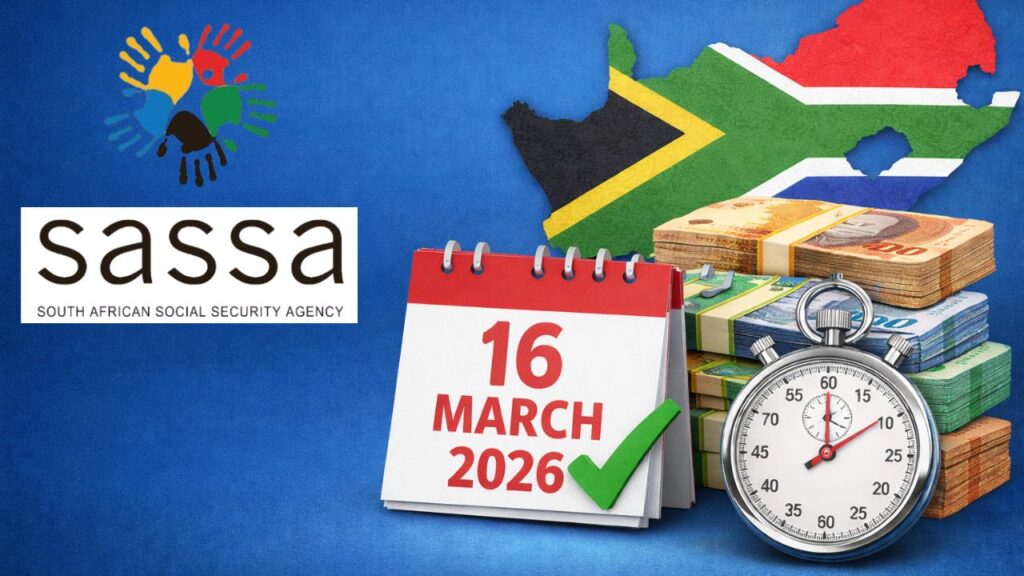
In South Africa, a significant shift is taking place in the welfare system as new enforcement measures come into effect in March 2026. The government is introducing a policy that restricts individuals to receiving only one grant, reshaping how welfare distribution operates nationwide. This change is expected to have a wide-reaching impact on beneficiaries, with multiple grants no longer being permitted for a single individual. This move aims to streamline social assistance, ensuring a fairer and more sustainable approach to welfare across the country.
Impact of One Grant Per Person Policy
The enforcement of the one grant per person policy in South Africa marks a major transformation in the country’s welfare system. Under the new rules, beneficiaries who previously received multiple grants will now be limited to one, regardless of their eligibility for various social assistance programs. This change will impact thousands of families who relied on multiple sources of aid. The government’s goal is to ensure fairer distribution and eliminate any misuse of resources, focusing on vulnerable groups who need it most.

Challenges of Implementing the New Welfare Rule
While the policy promises a more equitable distribution of social grants, implementation challenges are expected. Many individuals will be affected by the new restrictions, and some may struggle to navigate the system’s complexities. For example, households with multiple dependents may face difficulty when only one member is eligible for financial assistance. The government will need to communicate clearly and offer support to ensure that those affected by the changes don’t fall through the cracks, particularly in rural areas where access to information and resources can be limited.

What the Future Holds for South African Welfare Recipients
As the policy takes effect, South African welfare recipients will likely see a shift in how they access assistance. With a focus on improving resource allocation, this change is expected to encourage more efficient welfare distribution. However, the impact on low-income families and individuals who previously relied on multiple grants could lead to some unintended consequences, such as increased financial strain for those who are no longer eligible for certain aids. Over time, the policy’s success will depend on how well the government adapts to these challenges and supports its citizens through the transition.
Summary or Analysis
The new one-grant-per-person policy in South Africa represents a bold shift in welfare distribution. While the goal of fairer and more sustainable distribution is commendable, the policy’s success will depend on how effectively it is implemented. Clear communication and support will be crucial to minimize any negative impacts on vulnerable populations. The long-term success of this reform will ultimately hinge on the government’s ability to balance fairness with practical realities in the lives of welfare recipients.
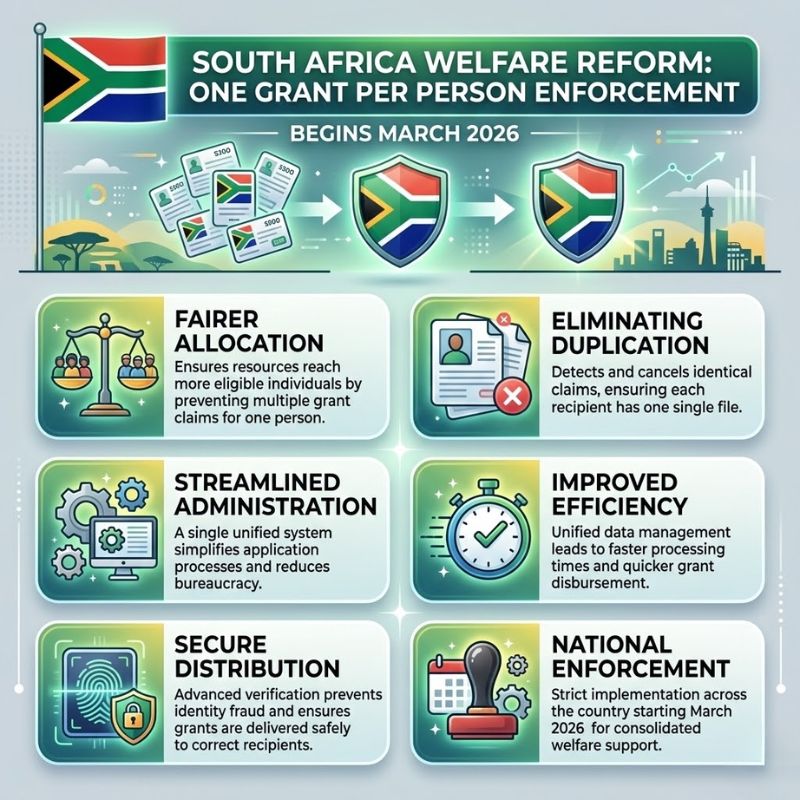
| Policy Detail | Effect |
|---|---|
| One grant per person | Limits recipients to one grant |
| Multiple grants restriction | Eliminates eligibility for multiple aids |
| Support for families | Government must offer clear guidance |
| Vulnerable groups | Focus on providing aid to those in need |
Frequently Asked Questions (FAQs)
1. What is the eligibility for receiving a grant under the new policy?
Eligibility depends on individual circumstances, with a focus on vulnerable groups.
2. Will families with multiple dependents be affected by this policy?

Yes, only one family member will be eligible for a grant under the new rules.
3. How can people navigate the changes in welfare distribution?
The government will provide guidance and support to help beneficiaries adjust.
4. What steps are being taken to ensure fairness in the distribution?
The government aims to streamline resources and focus aid on those who need it most.