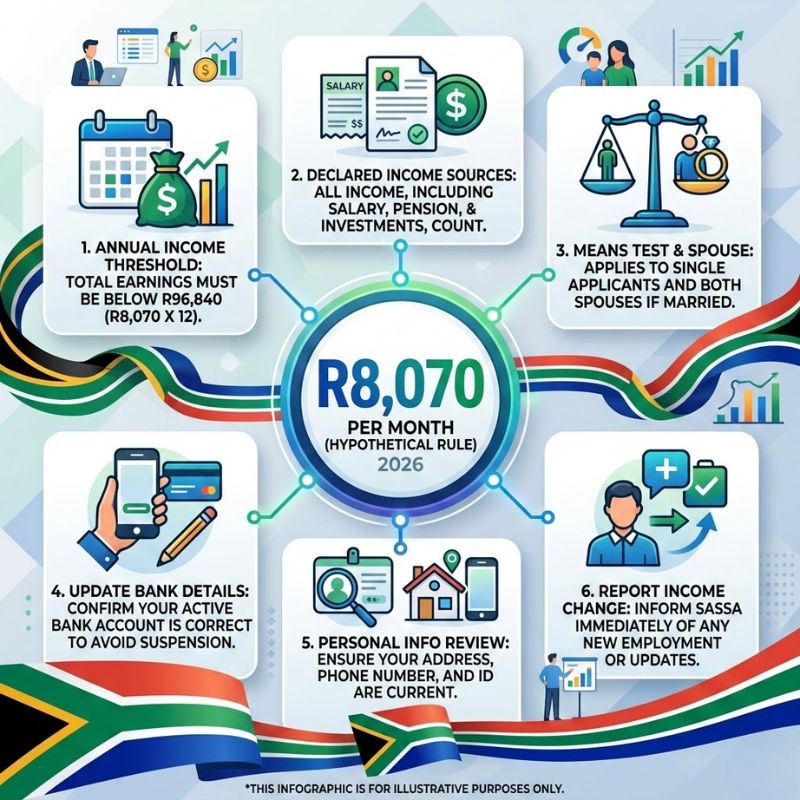
Beginning in March 2026, the South African Social Security Agency (SASSA) will use a new income rule of R8,070 to determine who is eligible for different social grants. In order to help distribute social assistance to those who most need it, the rule sets an income ceiling that forbids recipients of means-tested grants from earning more than it. Grant recipients who earn more than this cap will either have their grants completely suspended or partially reduced.
The new regulation lays out new strategies that the South African social grant system will employ to improve financial sustainability operational transparency, and equitable treatment.
Why the R8,070 Rule Was Introduced by SASSA
Because more people are in need of financial aid SASSA must raise the income threshold for the social grant system. Because millions of South Africans rely on government assistance, which necessitates efficient distribution of limited resources the agency has improved its income evaluation procedure.
The R8,070 threshold attempts to strike a balance between social protection and prudent public spending while taking into account the state of the economy. By updating its income rules, SASSA intends to reduce grant misuse by focusing assistance on families who require financial aid due to financial difficulties.
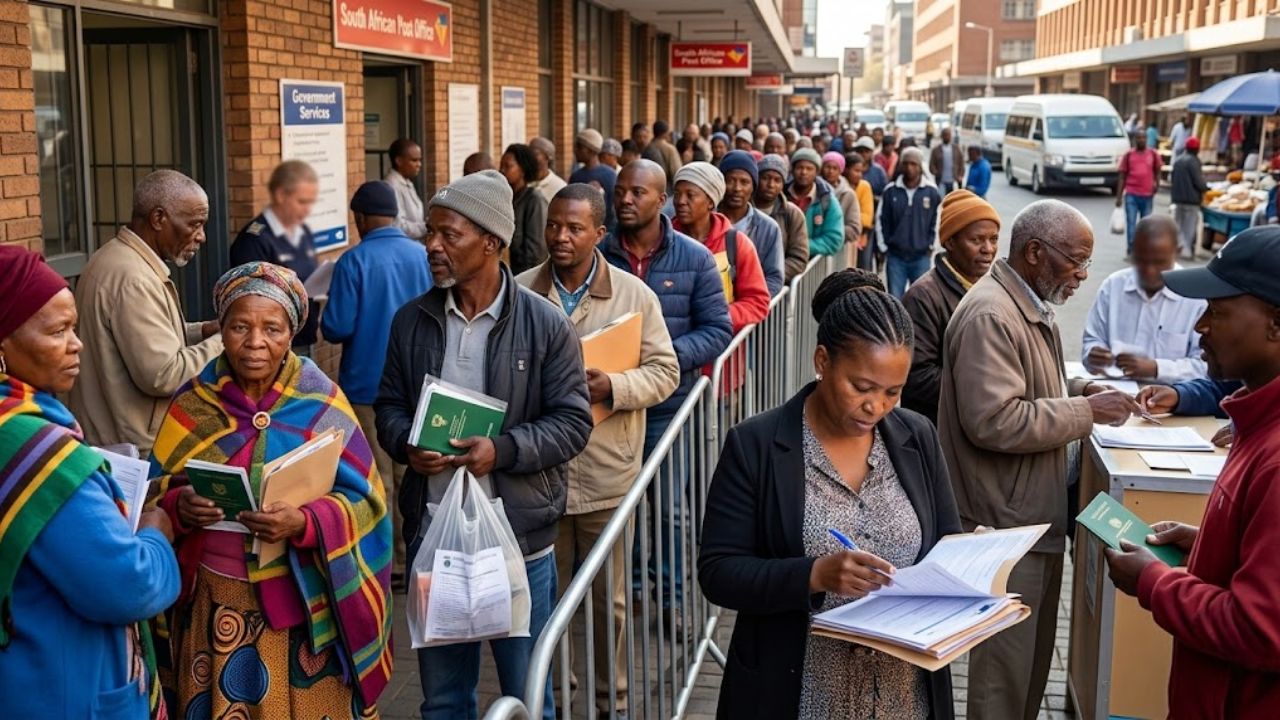
The Income Threshold’s Impact on Grants
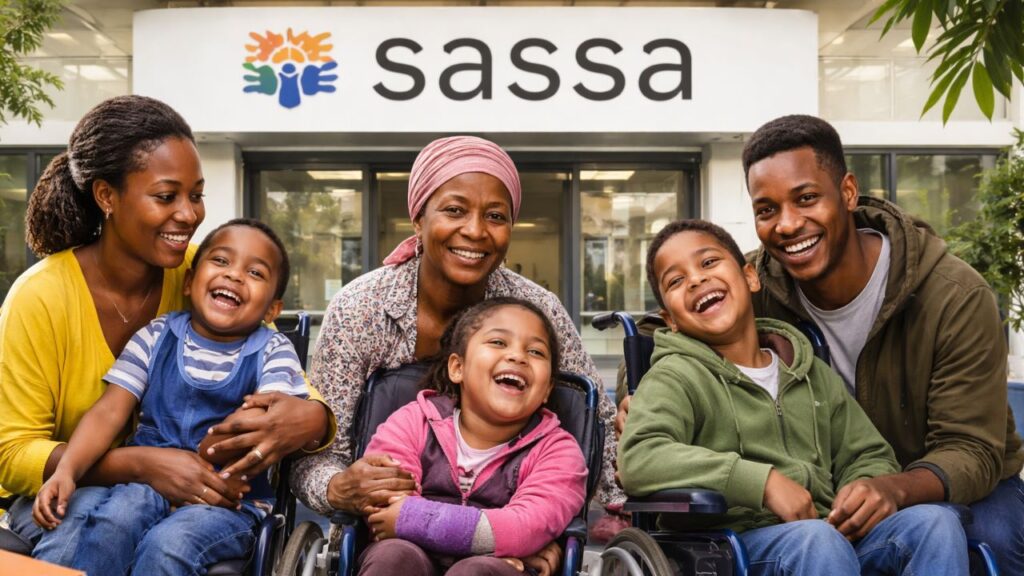
The Old Age Grant, Disability Grant, Care Dependency Grant, and Child Support Grant are among the means-tested grants that are primarily subject to the R8,070 income rule. If a beneficiary’s household income exceeds the income cap they will no longer be eligible for benefits and will receive less financial assistance.
When citizens report higher earnings than their prior income assessment, their benefits are typically reduced. In order to determine whether users are still eligible for benefits, SASSA will use its standard verification procedure to verify income information.
 SASSA Grant Increases 2026: Complete breakdown of new amounts for beneficiaries and payment timing
In 2026, tighter income verification
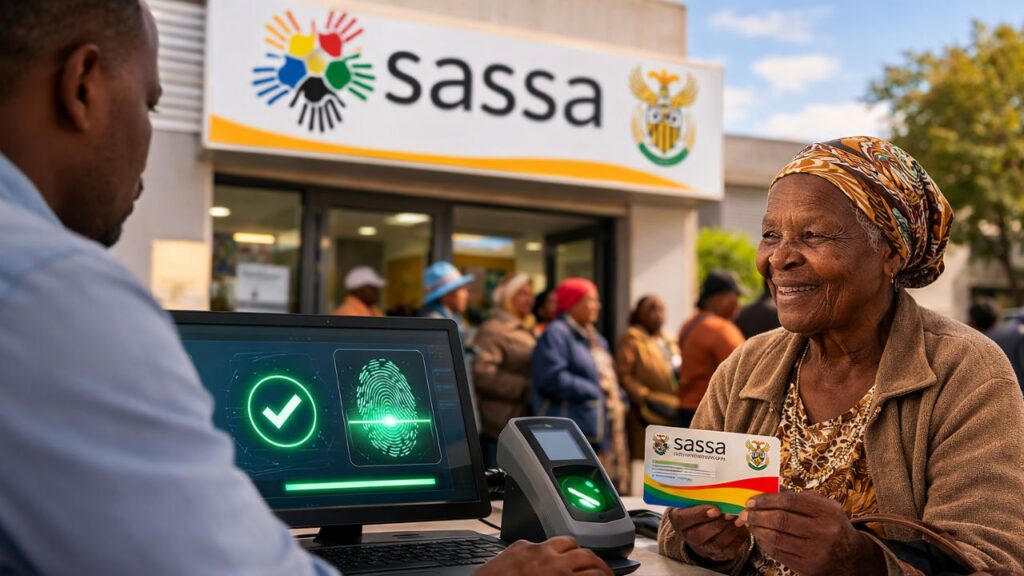
Beginning in 2026, SASSA will use the new rule to improve its income verification processes. As evidence of their current financial situation, beneficiaries must submit their most recent bank statements paystubs, employment verification documents, and financial situation affidavits.
When people provide false information the organization will penalise them, delaying payments and requiring temporary eligibility assessments. These assessments are carried out by the organization in order to improve transparency and safeguard the operational integrity of the grant system.
What Beneficiaries Should Do Now
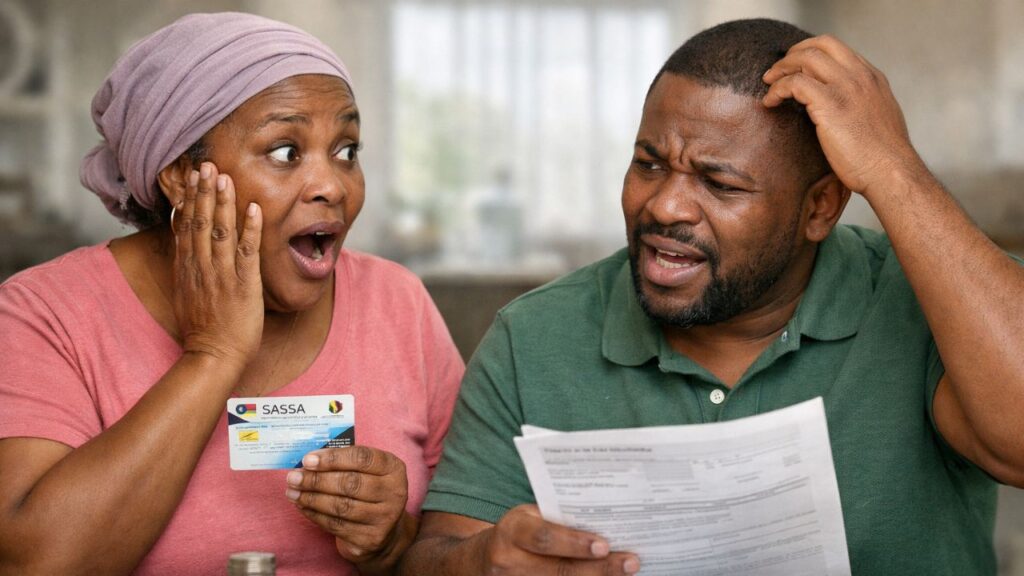
In addition to verifying the personal and financial data they provided to SASSA, grant recipients must evaluate their household income. Because this information safeguards their eligibility for benefits, people are required to notify the organization of any changes pertaining to their employment status, income, or household members.
Individuals who are close to the R8,070 threshold should keep an eye on their income since they must check their eligibility status with SASSA offices or official platforms.