
The South African government said that social grant payments will keep going up until 2026 to help millions of weak people who need help. The announcement came during the National Budget for 2026/27, which put social spending first to deal with rising costs of living, including food and transport. The South African Social Security Agency (SASSA) is in charge of the grant increases that help most permanent disability payments.
Why Grant Increases Were Given
The government approved the 2026 grant increases, which will protect low-income families from inflation while keeping social assistance at the level of basic living costs. For many older people, people with disabilities, carers, and unemployed people, social grants are still their main source of income. The government calls the increases “modest,” but they are part of a bigger plan to keep social order and lower poverty levels.
New Grant Amounts for 2026
The new payment system sets up permanent grants that now come with a number of benefits. The Old Age Grant is about R2,320 per month for people aged 60 to 74 and about R2,340 per month for people aged 75 and older. These amounts are very similar to the Disability Grant, the Care Dependency Grant, and the War Veterans Grant.

The Child Support Grant gives eligible families R560 a month, plus extra money on top of that. The Foster Child Grant gives foster parents about R1,250 a month. The Social Relief of Distress (SRD) Grant will stay at R370 per month, and the current schedule says that there will be no increase until early 2026.

When and how payments are made
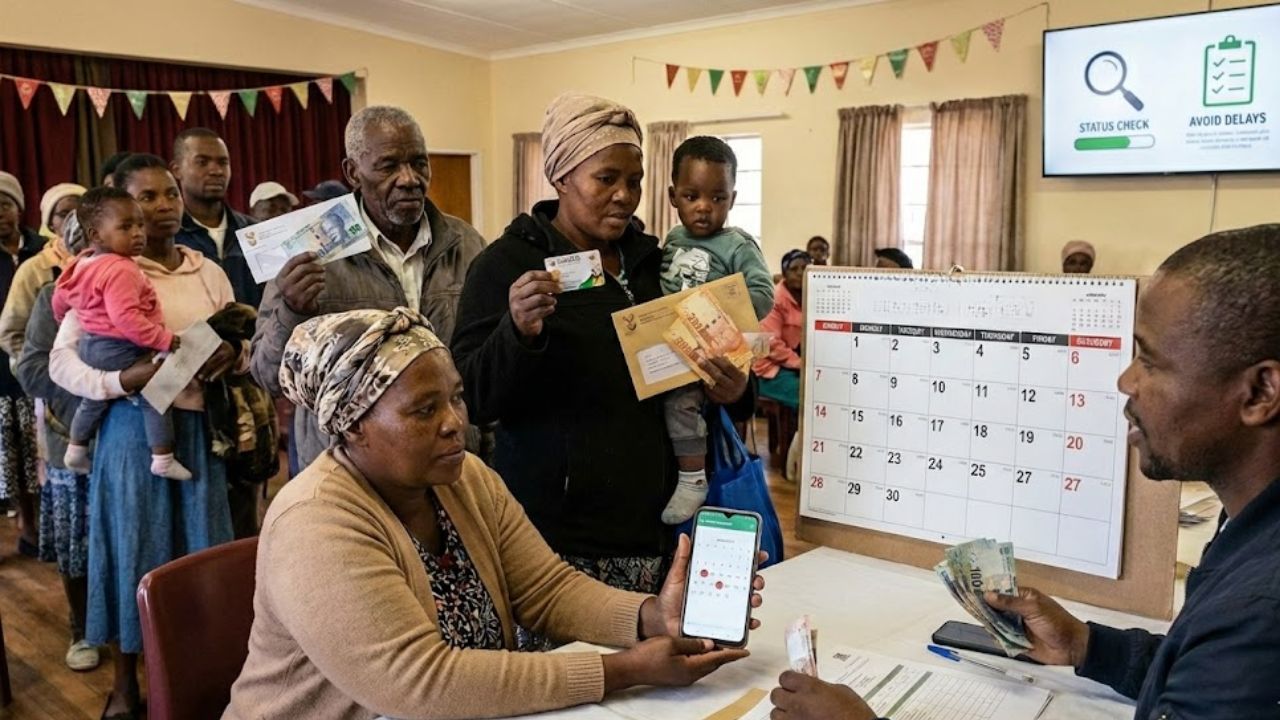
Payments are made at certain times and in certain ways. The SASSA system automatically gives existing beneficiaries all approved grant increases without them having to fill out new applications for the new grant amounts. The organization sends payments to beneficiaries on a regular monthly schedule. It uses bank transfers, SASSA cards, and approved retail partners to do this. Beneficiaries need to keep their personal and banking information up to date because old information can cause problems with payments.
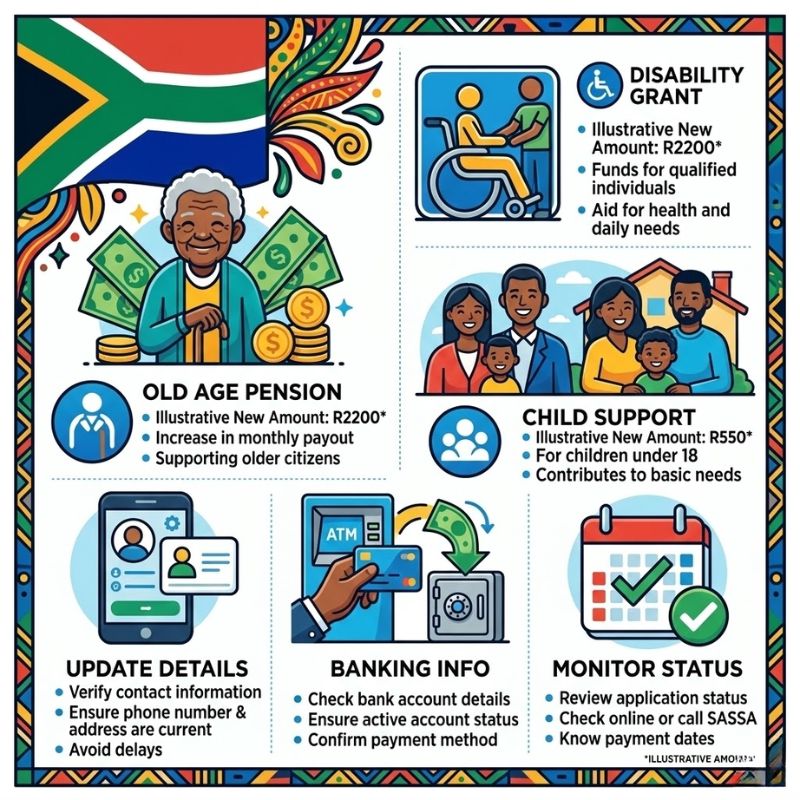
How Beneficiaries Can Get Their Next Benefits
The 2026 increases help some people with their finances, but advocacy groups want bigger increases that would better match current inflation rates. The government plans to do more evaluations at different times during the financial year, especially during the mid-term budget evaluation process. The set increases at this time give households that rely on social grants for money both stability and continuity.